Best Free SEO Tools: When Free Stops Being Enough
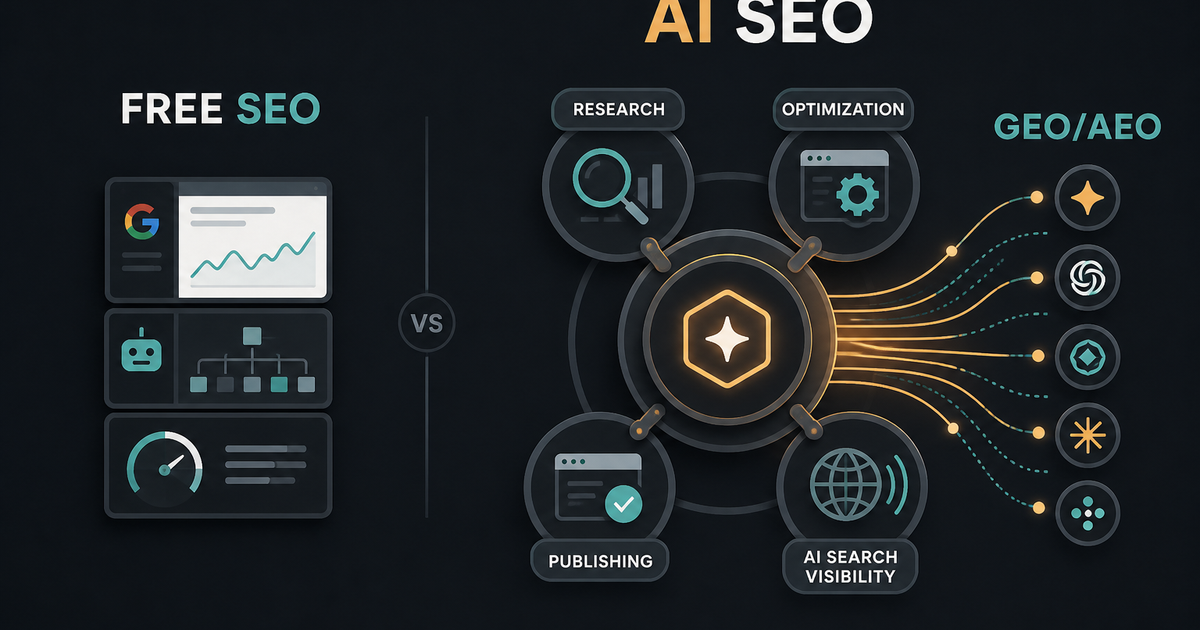
As of August 2026, the best free SEO tools cover the basics well, but they stop short when a team needs content cadence, internal linking, publishing, and AI search visibility. The practical line is simple: free tools help you diagnose; they do not run the workflow. Essel fits after that line because it turns SEO from a manual stack into an autonomous content engine.
Key takeaways
- Free SEO tools are enough for audits, keyword checks, speed testing, and basic performance tracking.
- The break point is workflow: once a team needs repeatable publishing, refreshes, and internal links, free tools become friction.
- Google Search Console, Ahrefs Webmaster Tools, and Screaming Frog still belong in every starter stack.
- AI search now matters too, so modern SEO tools need to account for Google AI Overviews, ChatGPT, and Perplexity.
- The upgrade path is usually an ai powered content creation platform that can research, write, optimize, publish, and improve pages over time.
The short answer: free SEO tools work until your workflow needs cadence, collaboration, and AI search visibility
Free SEO tools are enough for baseline research and checks, but they stop being enough once your team needs to ship content on a schedule, coordinate across contributors, and optimize for both Google and AI answers. DashThis's 2026 shortlist includes Google Search Console, Bing Webmaster Tools, Screaming Frog, PageSpeed Insights, Lighthouse, Google Keyword Planner, Google Trends, and Ahrefs' free toolset, which covers a lot of ground without a paid plan (DashThis, 2026).
Growth Stats puts the point cleanly: “SEO tools don't create rankings—strategy does. The right free SEO tools simply help you make smarter decisions faster.” (Growth Stats, 2026). That is the right frame for seo marketing tools, search optimization tools, search engine optimizer tools, and seo optimisation tools. They are useful. They are not the whole operating system.
For a quick baseline, you can start with Essel's free SEO & content tools and a free SEO check, then decide whether your bottleneck is data or execution.
What free SEO tools actually cover well in 2026
Free tools cover the jobs most teams need first: keyword research, competitor analysis, backlink checks, technical audits, page speed, and on-page optimization. That is why the best free SEO tools are still the default starting point for small sites and new content programmes. The gap is not usefulness. The gap is scale.
A practical 2026 baseline looks like this:
- Google Search Console for search performance and indexing.
- Bing Webmaster Tools for an extra search engine view.
- Screaming Frog SEO Spider for technical crawling.
- PageSpeed Insights and Lighthouse for speed and Core Web Vitals.
- Google Keyword Planner and Google Trends for topic and demand signals.
- Ahrefs Webmaster Tools for free site and backlink checks.
If you want a broader breakdown of what those capabilities should look like in a stack, this guide on SEO marketing tools features that matter most is a useful companion. The point is not to collect tools. The point is to cover the core work without paying for overlap.
What free SEO tools should you start with first?
Start with Google Search Console, then add a crawler and a speed tool. That gives you the fastest route to visibility, technical issues, and prioritised fixes.
Google Search Console is the first tool most teams should set up because it is the source of truth for how a site shows up in Google. Marketer Milk says it shows keywords, ranking position, and organic clicks, which is why it belongs at the centre of any SEO stack (Marketer Milk, 2026). DashThis adds that it shows which keywords bring organic traffic, average ranking position, how often a site appears in results, and how many impressions turn into clicks (DashThis, 2026).
Screaming Frog is the next practical layer. Its free version crawls up to 500 URLs (DashThis, 2026), and Growth Stats confirms the same cap (Growth Stats, 2026). For a small site, that is enough to find broken titles, missing meta descriptions, and crawl issues before they multiply.
What are SEO and marketing tools?
SEO and marketing tools are the software layer used to research, optimize, measure, and improve organic visibility across search and content channels. In practice, that means one set of tools looks at queries, another looks at page health, and a third helps teams execute the work faster.
That distinction matters because many people treat every search tool as if it should do everything. It should not. Search engine optimizer tools are often best at one job, such as analysis or auditing. SEO marketing tools span the wider job: topic research, optimization, measurement, and content operations.
For commercial teams, that difference is the whole purchase decision. They are not buying software for curiosity. They are buying time, consistency, and fewer manual handoffs.
Why free tools stop being enough for growing teams
Free tools stop being enough when the workflow becomes the bottleneck. A single founder can use a free stack to check rankings, review a crawl, and fix obvious issues. A growing team cannot live there for long.
The first crack shows up in cadence. You need content every week, then every day. The second crack is coordination. Writers, editors, SEO leads, and operators all need the same brief, the same links, and the same priorities. The third crack is refresh work, because old pages need improvement just as often as new pages need publishing.
That is also where seo marketing tools free starts to feel like a compromise. They are excellent at showing what needs attention, but they rarely automate research, drafting, internal linking, schema, publishing, or refreshes. Growth Stats is right to say free tools help teams make smarter decisions faster, because that is exactly what they are for: smarter decisions, not full execution.
Tip: If your team already has the data but still misses publish dates, the problem is not research. It is workflow.
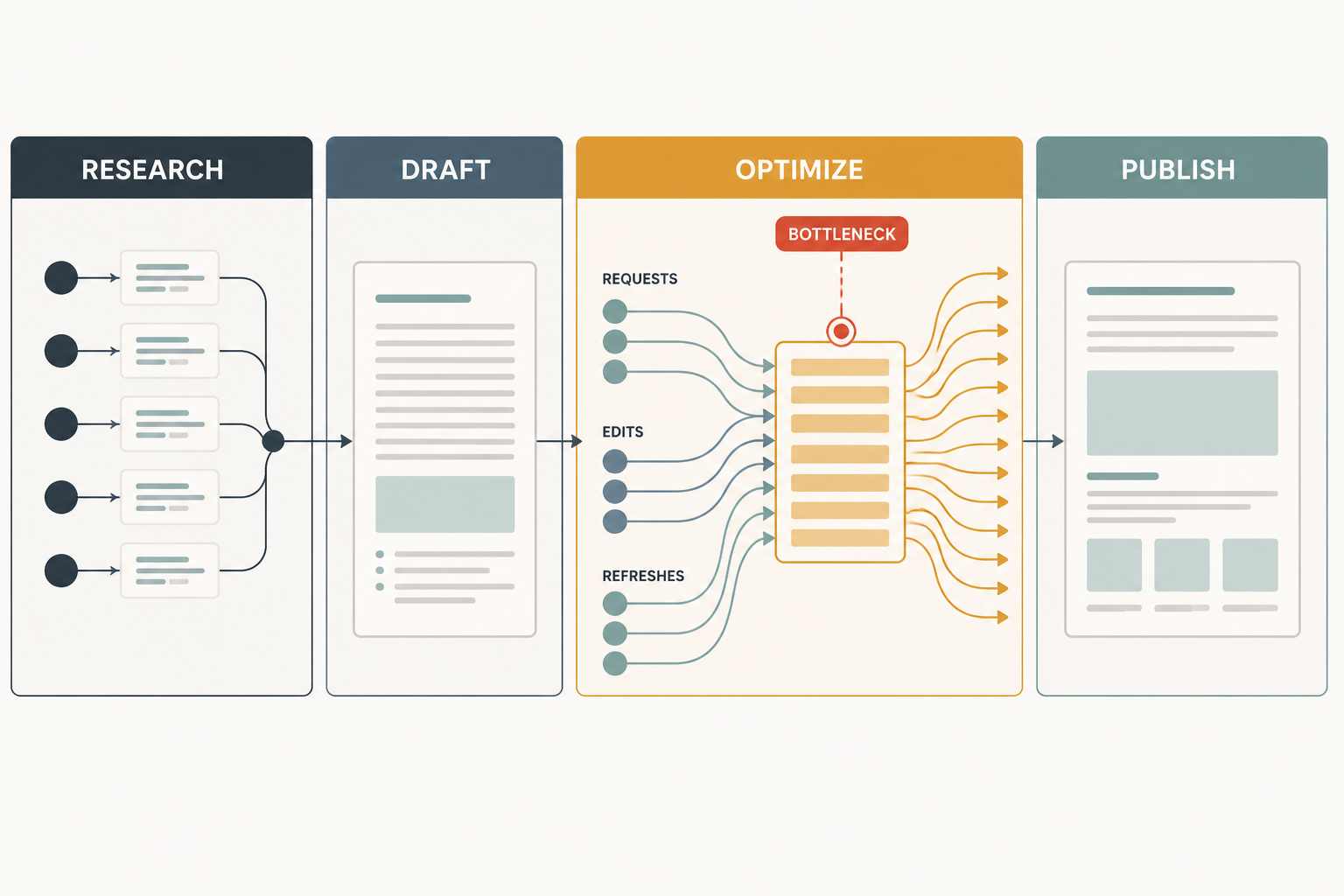
The bottleneck is usually process, not data.
Can ChatGPT do SEO?
ChatGPT can help with ideation, outlines, and draft generation, but it does not replace an SEO system that validates intent, optimizes pages, and ships work on schedule. That is the difference between artificial intelligence for content creation and a real ai powered content creation platform.
Used alone, ChatGPT is a fast assistant. Used inside a workflow, it becomes part of ai for seo. It can help you draft faster, but it still needs structure, internal links, schema, review, and publishing steps to produce durable organic value. The same is true for seo a.i. The model is not the strategy.
If you want the workflow version, this piece on how to use AI for SEO shows how AI fits into actual search work instead of sitting beside it. That is the difference between generating text and building an engine.
Is SEO dead or evolving in 2026?
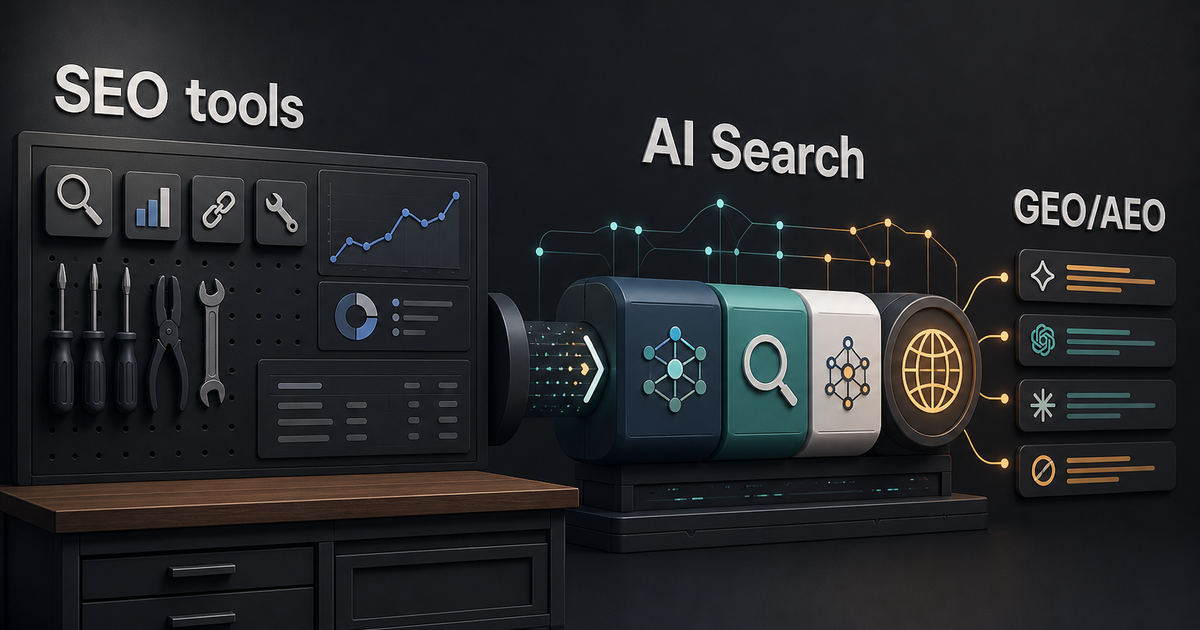
SEO is evolving, not dead, because discovery now spans Google, AI answers, and assistant-driven search experiences. Marketer Milk says Bing, ChatGPT, and Perplexity are part of the search landscape that SEO tools now need to cover (Marketer Milk, 2026).
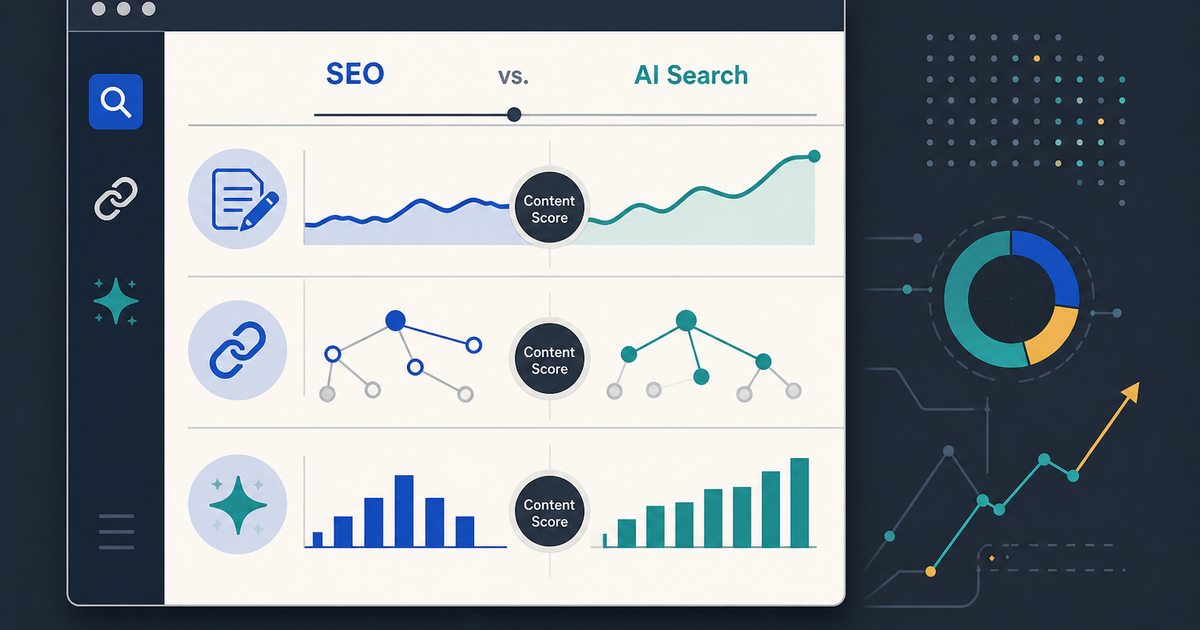
That matters because Google AI Overviews change how visibility works. A page can rank, earn citations in an AI answer, or get skipped if it is not structured well enough to be understood. In that world, search optimization tools need to do more than track blue links.
Ahrefs' free SEO tools now include the AI Visibility Checker, AI Mode Tracker, and AI Overviews Tracker (Ahrefs). Ahrefs also says, “See how often your brand is mentioned across AI platforms like ChatGPT, Gemini, Perplexity, and more.” That is the modern bar: traditional rankings plus AI visibility.
If you want a deeper map of that shift, Essel's guide to SEO for AI search, Google, ChatGPT, and Perplexity covers the new surface area without pretending the old one disappeared.
When should you upgrade from free tools to an AI SEO platform?
Upgrade when free tools still tell you what is wrong, but they no longer help you fix it fast enough. The trigger is usually cadence, not curiosity. If you are missing refreshes, juggling too many tabs, or spending more time assembling workflows than publishing, the free stack has done its job.
That is where an artificial intelligence for content creation layer starts to make sense. Not as a gimmick. As infrastructure. A real upgrade point is when you need a system that can research, draft, optimize, publish, and improve content without adding another full-time process.
This is also the point where a free AI SEO tools workflow breaks, because the problem is no longer access to data. It is throughput. If you are comparing options, Essel's AI SEO tools buying checklist is the practical next step, and the pricing page shows what the paid path looks like.
What does a modern AI SEO workflow replace?
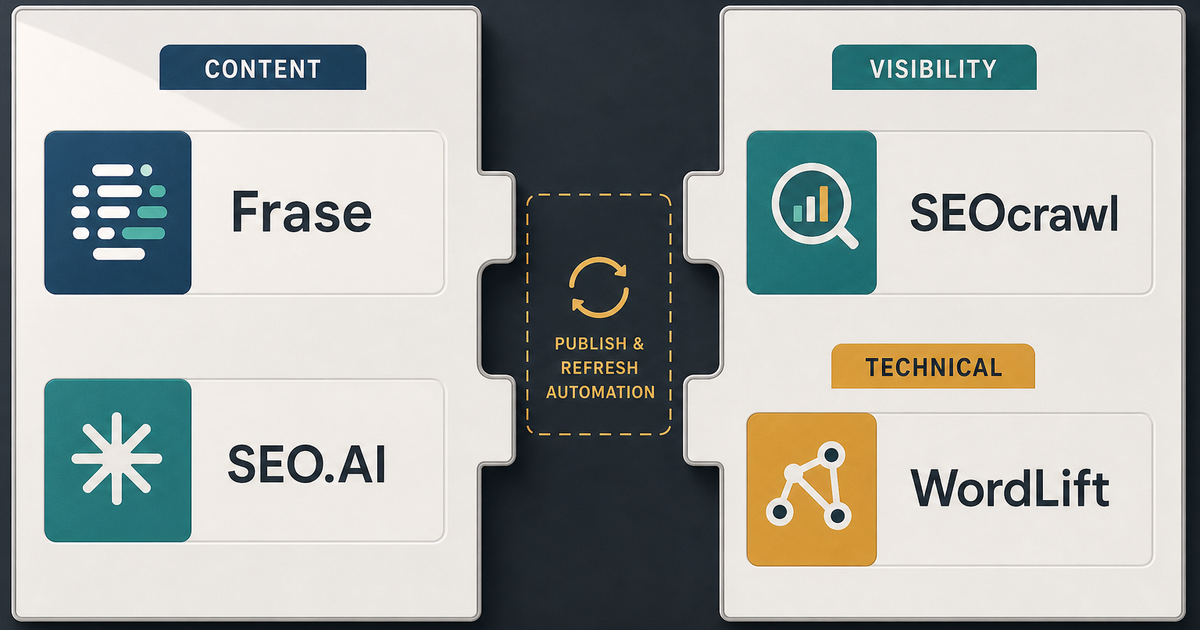
A modern AI SEO workflow replaces the pile of disconnected tasks that usually sit between research and publishing. Instead of one tool for queries, another for auditing, another for writing, and another for CMS updates, the workflow handles the whole chain.
That includes topical gap mapping, on-brand drafting, internal linking, schema, publishing, and content refreshes. It also includes AI search visibility, GEO, AEO, and structured data, because those are now part of the optimisation surface. In other words, it helps you optimize SEO as an operating system, not as a one-off checklist.
For teams that want that model, Essel's AI powered content creation platform is built around the same shift: from tool collection to content engine. That is where free tools end and compounding starts.
A simple comparison makes the break point obvious:
| Need | Free tools | AI SEO platform |
|---|---|---|
| Keyword research | Yes | Yes |
| Technical audit | Yes | Yes |
| Internal linking at scale | Manual | Automated |
| Drafting and refreshes | Separate tools | Built in |
| Publishing to CMS | No | Yes |
| AI search visibility | Limited | Built in |
The best free SEO tools for beginners vs. teams that need scale
Beginners should start with a narrow stack: Google Search Console, a crawler, and a speed tool. That gives them enough signal to fix the site and learn the search surface without buying before they understand the problem.
Teams that publish regularly need a different answer. They need execution. They need internal linking, CMS publishing, refresh workflows, and feedback loops that turn insights into output. At that point, the phrase best free seo tools becomes stage-specific, not universal.
So the recommendation is simple. Use free tools to validate. Use a platform when you need to operate. If your stack is already stretching, compare your current workflow against Essel's free tools roundup and then decide whether the upgrade belongs in pricing.
FAQ
What are some SEO tools?
Some of the most useful free SEO tools are Google Search Console, Ahrefs Webmaster Tools, Screaming Frog SEO Spider, PageSpeed Insights, Lighthouse, Google Keyword Planner, and Google Trends. Together, they cover visibility, technical checks, speed, and basic research without forcing a paid subscription.
Can ChatGPT do SEO?
ChatGPT can support SEO by speeding up ideation, outlines, and first drafts, but it does not replace the workflow that turns those drafts into rankings. It still needs intent validation, optimization, internal links, schema, review, and publishing to create durable results.
Is SEO dead or evolving in 2026?
SEO is evolving in 2026. Google still matters, but AI answers, AI Overviews, ChatGPT, and Perplexity now shape discovery too, which means search optimization tools need to cover both classic rankings and AI visibility.